Full-Scale Water Damage Services: Protect Your Property From Future Issues
Extensive liquid harm services play an crucial role in safeguarding properties from ongoing risks. They encompass routine checks and upkeep of plumbing and roofing systems. Prompt detection of potential issues can prevent significant damage. Furthermore, advanced techniques like water removal and mold treatment tackle current issues effectively. However, the most successful strategies also include preventative actions. Understanding these aspects can be vital for homeowners seeking to safeguard their investments and ensure long-term safety. What should they focus on next?
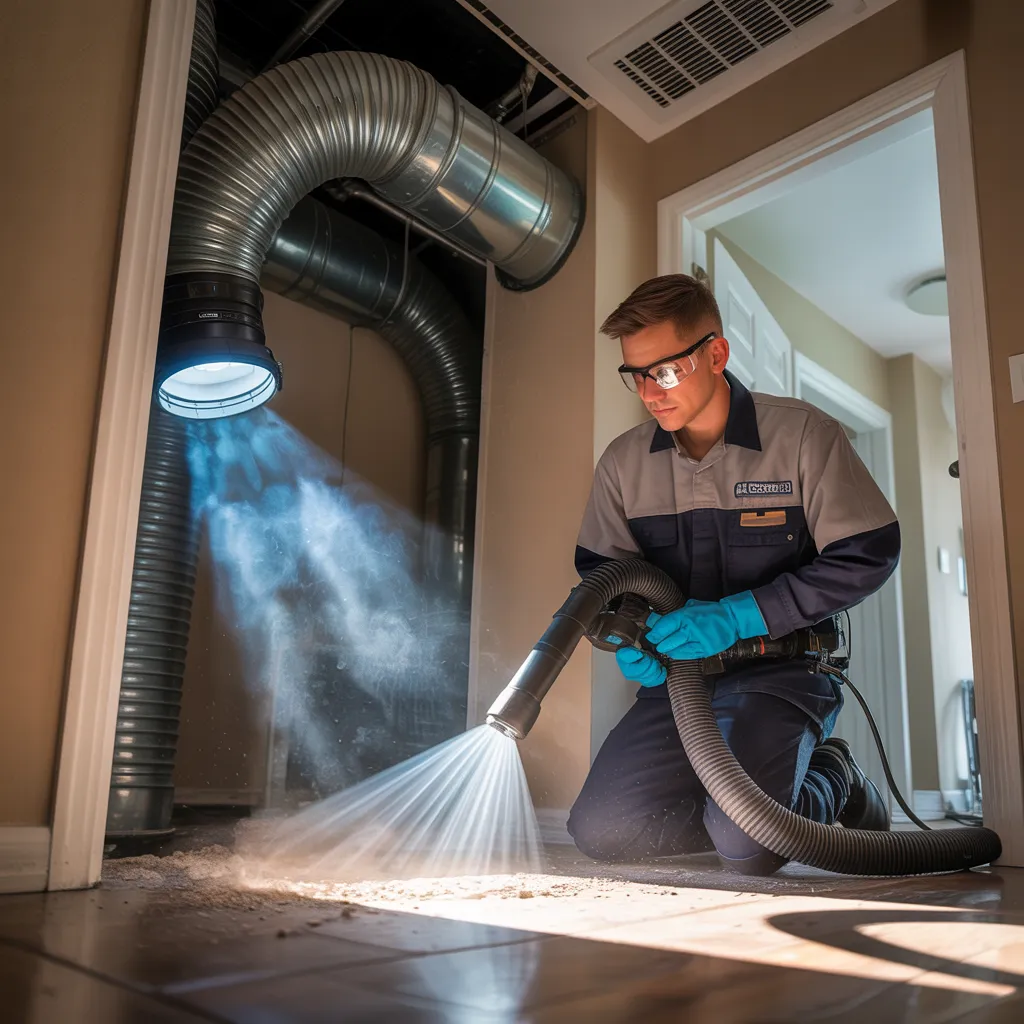
Why It's Important to Act Swiftly to Water Damage
Tackling water damage quickly is imperative. Hesitating on response can lead to pressing issues, like structural damage, mold growth, and spiraling restoration expenses. Water can soak through walls, flooring, and insulation, offering a prime environment for mold spores to flourish within 24 to 48 hours. This not only risks the property but also poses risks to inhabitants.
Moreover, the extended the water lingers, the more severe the deterioration becomes, potentially jeopardizing the structural integrity of the building. Rapid response works to reduce these impacts, protecting both the asset's worth and the safety of its inhabitants.
Moreover, prompt response can facilitate the recovery process, enabling homeowners to return to normalcy quicker. Hiring professional water damage services promptly can ensure thorough evaluations and effective remediation, avoiding further issues in the future. Prioritizing immediate response is essential for safeguarding both assets and wellbeing.

What Causes Liquid Destruction and How to Identify It Early?
Water damage can originate from various sources, making early detection important for prevention. Common causes include plumbing leaks, roof leaks, and natural disasters such as heavy rain or floods. Aging infrastructure, such as worn-out pipes or compromised roofing materials, can also contribute greatly to water intrusion.
Property owners should remain alert for signs of water harm, which may include discoloration on walls or ceilings, a stale odor, and fungal growth. Furthermore, peeling paint and warped flooring are indicators that dampness may be present. Regular examinations of plumbing systems and roofing can help identify issues before they escalate.
Timely identification is critical; tackling potential sources of water damage quickly can minimize expensive repairs and preserve the structural condition of the property. By understanding the causes and recognizing the signs, property owners can take proactive measures to safeguard their homes against water-related issues.
Necessary Services for Successful Water Damage Restoration
When a building faces water damage, prompt and skilled restoration solutions are necessary to ensure effective recovery. Key services include water extraction, which consists of removing standing water to prevent any additional damage. Next, thorough drying and dehumidification processes are important to remove moisture from structures and materials. Restoration experts assess the extent of damage and make decisions on necessary repairs, whether it requires replacing flooring, drywall, or insulation.
Additionally, mold remediation is important, as mold can spread rapidly in damp conditions, posing health risks and further harming the property. Advanced techniques, such as thermal imaging and moisture mapping, enable identify hidden water sources and reduce recurrence. Finally, deodorization and sanitization services guarantee that any lingering odors and contaminants are addressed, restoring the property to a safe and livable condition. Together, these essential services create a holistic approach to effective water damage restoration, safeguarding properties from long-term issues.
How to prevent Future Water Damage
Effective water damage remediation highlights the importance of proactive measures to forestall future occurrences. Property owners should regularly inspect their more information roofs, guttering, and water spouts to verify they are clear of debris and operating correctly. This prevents water pooling that can result in leaks and structural damage. In addition, caring for plumbing systems by checking for leaks and ensuring proper water drainage can greatly reduce the risk of water damage.
Installing sump pumps in basements and using water-resistant materials during renovations can also provide an extra layer of defense. Moreover, homeowners should consider yard modifications, such as sloping ground away from the base, to channel water drainage properly. Regular maintenance and timely repairs are essential for protecting homes against potential water damage, thereby maintaining their condition and worth. Taking these steps can help create a durable setting that reduces possible hazards from water infiltration.
How to Select the Perfect Water Damage Service Provider
How might homeowners guarantee they choose the most fitting water damage service provider? First, they should research potential companies meticulously, checking for certifications, licenses, and insurance. A credible provider should possess industry-standard certifications, such as those from the Institute of Inspection, Cleaning and Restoration Certification (IICRC).
Subsequently, analyzing client testimonials and reviews can offer insights into the company's reliability and service quality. Property owners should also ask about the range of services offered, making sure they encompass everything from first evaluation to complete restoration.
Additionally, securing multiple estimates can help in comparing costs and understanding the scope of services provided. Finally, assessing the provider's response time is essential; a quick reaction can reduce harm. By taking these elements into account, property owners can determine the best course of action, ensuring their property receives the best possible care in times of crisis.
Top Questions People Want Addressed
What Is the Average Price of Water Damage Remediation?
Repair costs for water damage usually range from $1,000 to $5,000, contingent on the severity of harm, location, and necessary work. Extra considerations, such as materials and labor, can impact the final price significantly.
Will My Insurance Pay for Water Damage Restoration?
Insurance coverage for water damage restoration often is determined by the policy specifics. Generally, if the damage stems from a covered incident, such as a ruptured pipe, insurers may offer financial assistance for restoration costs.
How Long Does Fixing Water Damage Take?
Water damage repair typically requires one to five days, reliant on the extent of the damage, the affected materials, and the necessary drying process. Interruptions can develop if extensive repairs or mold remediation are required.
Can I Manage Water Damage Cleanup Myself?
Managing water restoration work on your own is doable, but it usually needs specialized knowledge and equipment. Inadequate cleaning can cause mold formation and structural damage, making professional support a more secure and better alternative.
What Health Dangers Are Related to Water Damage?
Water damage poses multiple health risks, including mold growth, which can trigger respiratory issues, allergies, and infections. Contaminated water may also contain bacteria and viruses, leading to gastrointestinal illnesses and other serious health complications.